
Transfer model
Marketplaces
Accept buyer funds, preserve transaction context and connect collection to split and payout workflows.
AcceptanceSplitsPayouts
Connect checkout, provider routing, transaction status, fees, reconciliation and settlement so merchants and operations teams see one coherent payment product.
A complete transfer workflow
Transfer route
GBP → EUR
Recipient
€13,980
Transfer orchestration
The complete product needs consistent transaction identifiers, clear state transitions, provider-level observability, ledger posting, reconciliation and merchant settlement. Framnex connects these jobs in one workflow.
Step 1
Create a beneficiary and capture the required account details.
Step 2
Apply the checks and validations required for the selected route.
Step 3
Choose the currency, corridor and transfer path for the payment.
Step 4
Follow the transfer status through to its destination outcome.
Transfer model
Accept buyer funds, preserve transaction context and connect collection to split and payout workflows.
Transfer model
Embed payment initiation and status into an existing software journey.
Transfer model
Add orchestration, merchant visibility or new provider routes around an existing acquiring proposition.
Capabilities
Choose the components that solve the immediate customer need, with the option to connect more services as the product grows.
Create checkout and payment instructions with the metadata required for routing and downstream operations.
Apply provider selection, retry and fallback logic without exposing a fragmented experience to the merchant.
Connect reversals, refunds, exceptions and dispute states to the original transaction and customer context.
Match external provider records to the internal ledger, fees and merchant payout obligations.
Payment lifecycle
The orchestration layer translates provider events into stable product and operational states.
Create
Assign one internal identifier and store customer, merchant and order context.
Route
Apply eligibility, cost, geography, method and resilience rules.
Observe
Normalize authorisation, capture, failure, refund and dispute updates.
Settle
Match provider reports to ledger entries, fees and merchant payouts.
Transfer operations
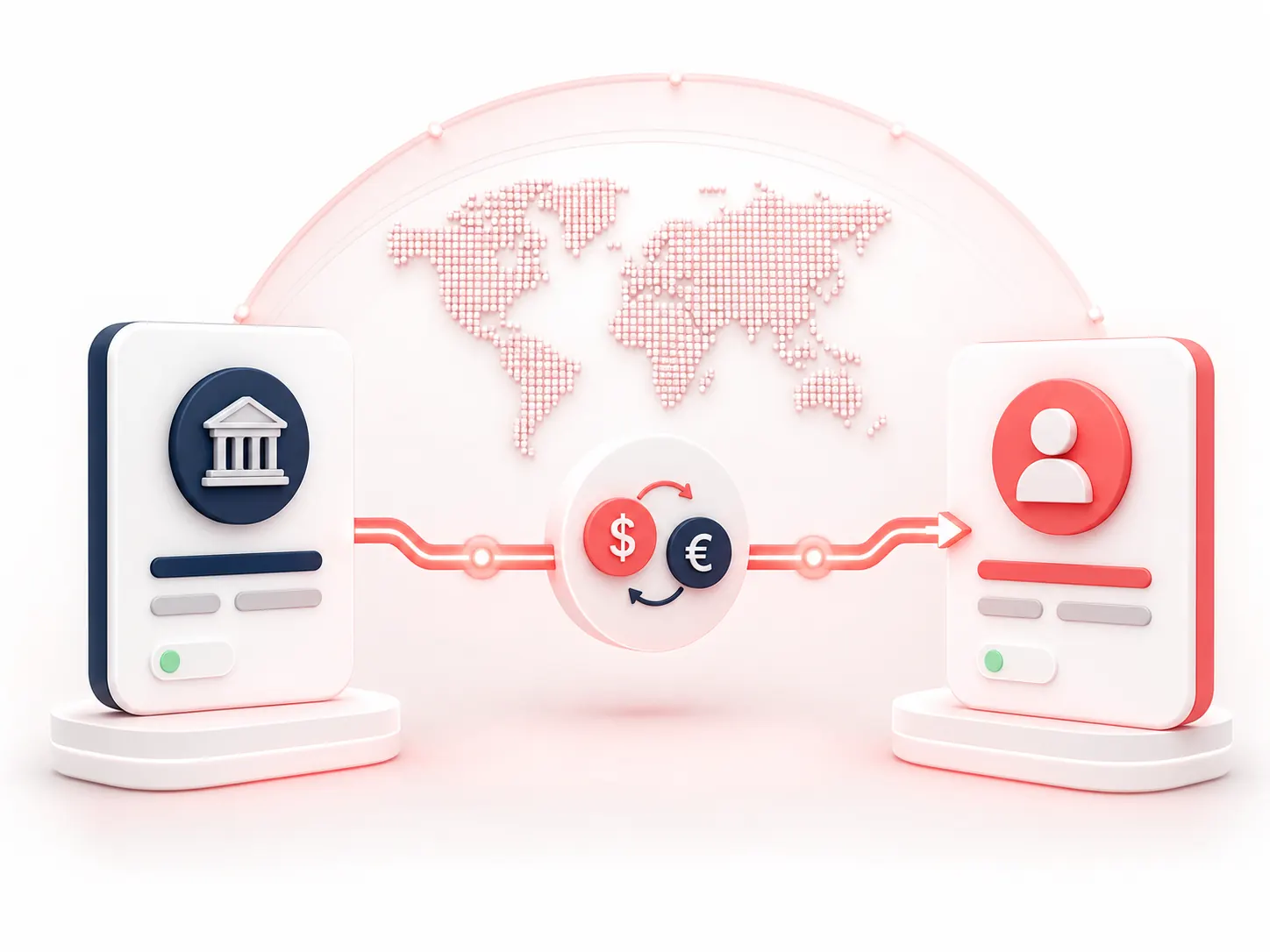
Bring beneficiary setup, route selection and a clear final status into one operational transfer view.
Launch path
A focused launch makes it easier to align commercial owners, operations and product teams before adding more complexity.
Payment gateway FAQ
The commercial and operational questions teams most often ask before outlining their first launch.
Yes, where suitable APIs and operational data are available. The connector and orchestration layer can preserve existing relationships while creating a more consistent product model.
Not necessarily. The architecture should make additional providers possible, but the first release can use one route when that is operationally clearer.
It should be part of the end-to-end design. Provider responses alone do not confirm that external reports, ledger entries, fees and settlement obligations match.
Yes. Collection and payout workflows can be connected so eligible funds, fees, reserves and settlement status flow into recipient payments.
Start with a discovery call
In a 15-minute discovery session, we'll discuss your business model, customer needs and commercial objectives to determine the right foundation for your financial offering.